Stonehenge at sunset.Site banner image

Category: Media & Movies

  • The Prisoner(1967)

    The Prisoner(1967)

    The Prisoner(1967)

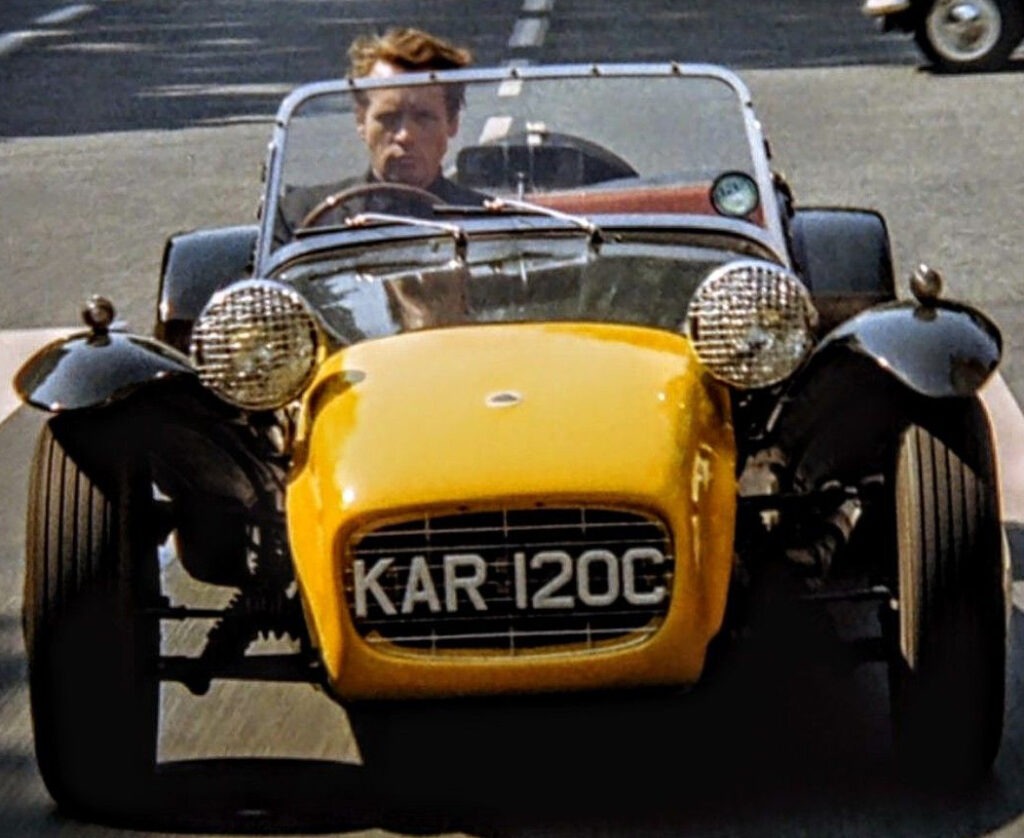
    Few TV shows have been subject to as much analysis as The Prisoner(ITC, 1967). There have been many books and learned treatises written about the core themes of the show such as individualism, rebellion, collectivism, conformity, freedom and control, surveillance, indoctrination, unfettered technological progress, welfare and so on. In some ways it is a Rorschach test , how we interpret it says more about ourselves.

    An intelligence agent (in a promotion McGoohan states that the protagonist is a scientist) resigns, soon after he is drugged and taken to a remote island. He wakes in a perfect recreation of his former living room in an apartment. Leaving the apartment he discovers he has been taken to “The Village”. The inhabitants of the Village are referred to by numbers not names. In the first episode the protagonist is assigned the number 6.

    The villagers include both prisoners and guards. Often the distinction between guard and prisoner is unclear(checkmate, free for all, the chimes of big ben). We never know for certain who operates the Village but we do see that it includes at least the intelligence service of the protagonist’s nation. In the first episode (Arrival) one of the protagonist’s former colleagues is shown as acting as an auditor for the Village’s processes.

    Most of the other prisoners are there, like the protagonist because they have some valuable information. Through the main story arc many attempts are made to extract information from Number 6, including why he resigned. These attempts include induced hallucinations and dream manipulation (Living in Harmony, A,B and C) , a faked escape (The Chimes of Big Ben) , an identity crisis (Schizoid Man), Imaginary surgery (A Change of Mind), crude electrical brain manipulation and hypnosis (Dance of the dead) Psychodrama/brainwashing (Once upon a time), emotional blackmail (checkmate) and making Number six (temporarily) a figure of authority (Free for all).

    Number 6 makes many attempts to escape (Arrival, The chimes of big ben, Free for all, Schizoid man, many happy returns) some are carefully planned others more ad hoc. Number 6 is even allowed to actually escape once (Many Happy Returns) but is later returned to the Village.
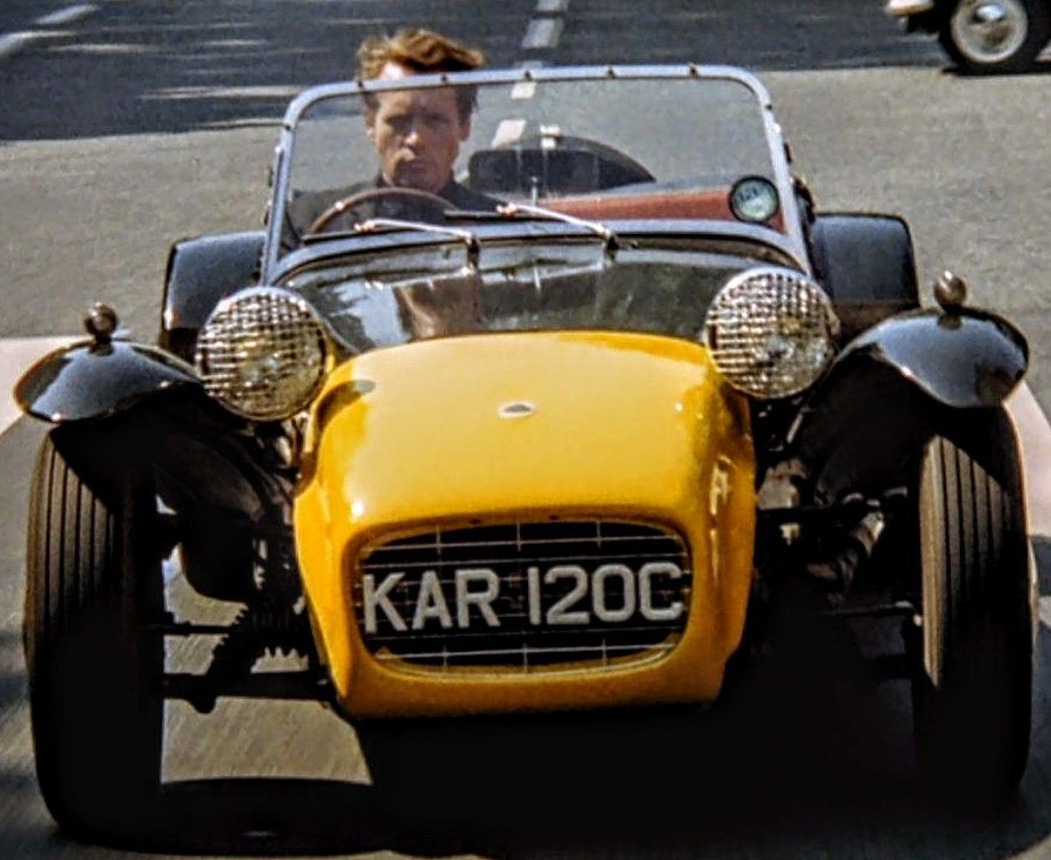
    We learn that those who operate the village do not have infinite patience. We are informed chillingly that the village has a large graveyard and we know that some villagers under interrogation have been driven to suicide (Hammer into Anvil).
  • Forgotten British TV of the 1970s

    Forgotten British TV of the 1970s

    There was certainly a lot of rubbish on the “box” in the 1970s and a lot of it (are you being served, love thy neighbour, The Black and White Minstrel show, anything with Benny Hill in it ,on the buses) would be best forgotten, or better still hurled into the Sun. That said, amongst the chaff there were a few now forgotten minor gems.

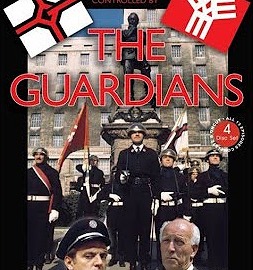
    The Guardians (LWT, 1971)

    Even in a time where viewers had long attention spans this dystopian show strained the patience of many viewers. It was broadcast in 1971 and never repeated. In 13 one hour long episodes it painted a picture of a near future (1980s) England (the state TV station is EBC and there are few references to other parts of the British isles) . In this vision industrial unrest, high unemployment and inflation have led to the collapse of civil society.

    From the ashes emerges a repressive government of paternalistic fascism. While there is a Prime Minister, the real power is held by a shadowy figure “The General” who dictates policy via Mr. Norman and law and order is enforced by a paramilitary group “The Guardians” aka “the Gs”. The death penalty has returned (it had only been permanently abolished in the UK in 1969) and the Royal family has fled. Political prisoners are kept in a state of permanent cannabis induced sedation.

    There are several fragmented forces of resistance including the Communists and “Quarmby” a group of autonomous activists. These groups are not in any real sense allies and some wish for a return of the Queen and “the way things were before” while others see an opportunity to radically reshape society.

    Of these groups Quarmby have chosen both nonviolent (arrive for work 5 minutes late, strikes) and violent (kidnapping, bombing and assassination) means of resistance. Quarmby often choose disaffected individuals as instruments who will be sacrificed.

    Quarmby aims to force the government into even worse atrocities so that even the apathetic citizens will rise up and overthrow it.

    The show makes a decent fist of exploring the problem of becoming as terrible as the thing you are opposing.

    Though hampered by a low budget, slow pacing and some weak performances it presents a thoughtful examination of the issues even if some story lines seem to go nowhere such as the dialectic between a Communist and a Quarmby.

  • Classic Horror Movies

    Classic Horror Movies

    We love to be scared. Horror Movies engage with some of our deepest darkest elements of self. These can be creepy, gory, suspenseful, chilling, hammy or just downright unpleasant.

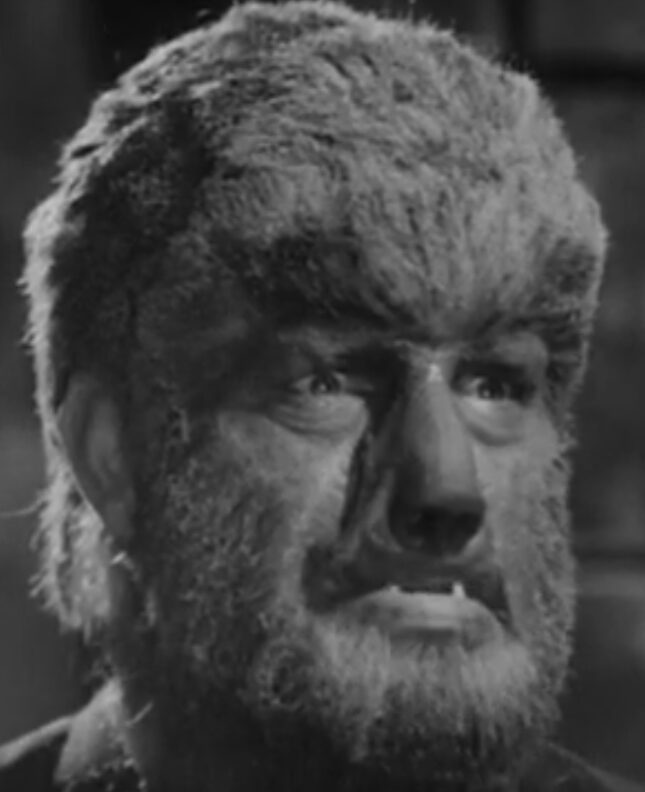
    A Key player in this arena was Universal Studios with their movies featuring Dracula, Frankenstein, the Mummy and the Wolfman in the 1930s.

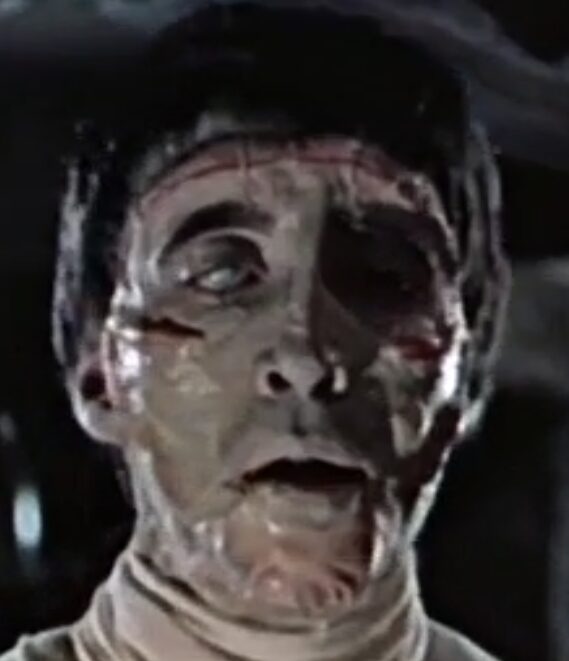
    In the 1950s to 1970s the horror mantle was taken up by Hammer studios who brought glorious color to old favorites and many sleepless nights for the censors. Good examples include :

    Best vampire resurrection ever !

    We all know that there are many ways to “kill” a vampire (Stakes, Sunlight, Beheading, Hawthorns, Running water, holy water, bullets from melted down crucifixes, fire, wooden bullets…). Of course writers of vampire story arcs also need ways to bring a vampire back to life. In the Universal canon this was rarely done explicitly (in House of Frankenstein simply removing the stake from Dracula’s skeleton did the trick). In the Hammer movies it was achieved mostly with a supply of fresh or newly dead blood (bat blood even) with optional rituals and/or sacrifice.

    Blood of the vampire(1958) is an early British color horror movie, released the same year as Hammer’s Dracula and directed by Hammer staple Jimmy Sangster.

    While largely forgettable it boasts a unique vampire resurrection. The vampire (Dr) Calistratus is initially dispatched in the opening scene in the traditional long sharp wooden stake through the heart manner. Of course Calistratus has the obligatory deformed assistant (Carl), Carl kills the grave digger and recovers the body of Calistratus.

    Carl then bribes a drunken doctor (who is later killed for arguing over the fee) to perform a heart transplant (presumably the heart was donated by the grave digger, but who knows).

    It turns out Calistratus is not really a vampire (it is just an honorific) after all just a standard mad prison doctor with a blood condition and kept alive by blood transfusions from involuntary donations. It’s pretty dire stuff.